

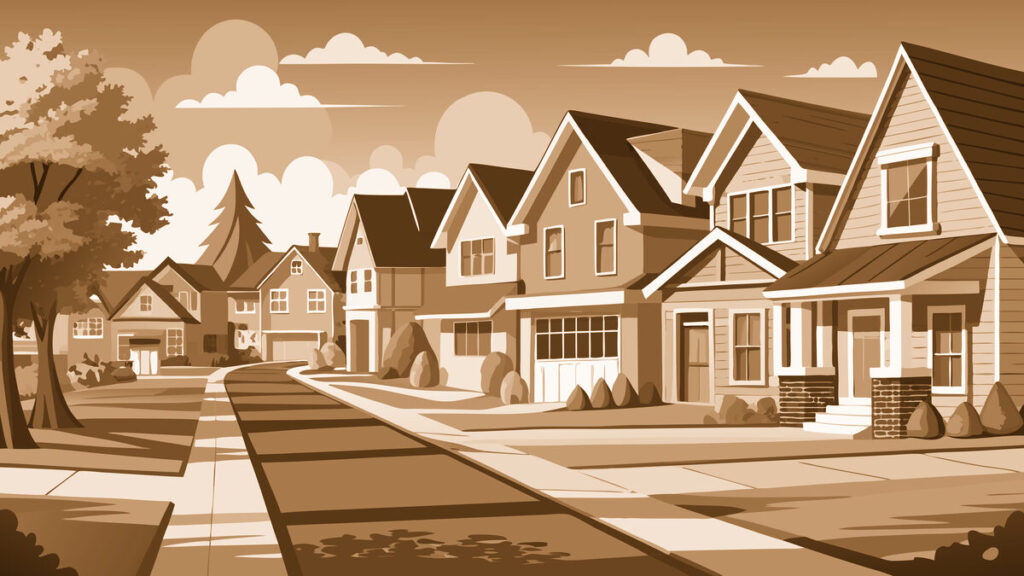
Living in Cape Girardeau, you quickly learn each distinct neighborhood has its own flavor, story, and sense of pride. But among them, Cape Girardeau West—often simply called “The West Side”—stands out as a living patchwork of history, growth, and community spirit. Whether you’re strolling down West End Boulevard or catching a game at Arena Park, it’s easy to see why locals cherish this side of town. Let’s take a deeper look at how Cape Girardeau West’s past and present make it such a special part of our city.
From Prairie to Neighborhood: The Early Days
Before the suburban expansion and busy traffic of Kingshighway, much of what we now call Cape Girardeau West was rolling farmland and timberland. Early settlers in the 19th century were drawn here by the combination of fertile ground and the proximity to the heart of old Cape along the river. As the city began to grow westward from its origins near the Mississippi, development slowly crept up the gentle hills and across the prairie.
The neighborhood really began to take shape in the mid-20th century, as post-war optimism led to a surge in new housing. Streets like West Cape Rock Drive and Hopper Road became dotted with modest bungalows and sturdy ranch homes—many of which are still lovingly maintained by families today. The gentle curve of West End Boulevard, planned as a residential artery, soon provided a backbone for the burgeoning community.
How It Got Its Name
The name “Cape Girardeau West” is rooted in a practical sense of place-making. As the original downtown area filled up, the city naturally expanded westward. Real estate developers and the city planners of the 1940s and 1950s frequently used compass directions to distinguish the newer residential districts from the older core by the river. So, “West” simply indicated the direction from downtown—but over time, it became synonymous with suburban promise and a fresh start for many families.
Key Historical Milestones
- 1940s–1960s Boom: By the end of World War II, Cape Girardeau West began to develop in earnest. Streets like Independence, Kingsway Drive, and Janet Drive saw rows of new homes, modern for their time and more spacious than those in old Cape.
- Arena Park Established (1949): Arena Park quickly became a hallmark of Cape Girardeau West, hosting the annual SEMO District Fair, countless local baseball games, and family picnics beneath towering old trees.
- West Park Mall Opens (1981): The construction of West Park Mall on William Street marked a turning point, drawing commerce into the West Side and transforming William Street into a bustling retail corridor.
- Expansion of Schools: Alma Schrader Elementary and the then-new Jackson Junior High (now part of the Cape Girardeau Public Schools system) made the area even more attractive to young families throughout the 1970s and beyond.
Notable Landmarks and Institutions
No stroll down memory lane in Cape Girardeau West would be complete without mentioning some of its enduring landmarks:
- Arena Park: The heart of community life, Arena Park has welcomed generations to its playgrounds, rodeos, and the famous county fair. You’ll spot locals jogging on trails, kids swinging at playgrounds, and organized sports from dawn till dusk.
- Capaha Park (just east but central for all): Although officially on the west edge of central Cape, Capaha Park draws West Siders for everything from duck feeding at the pond to free summer concerts at the bandshell.
- West Park Mall: The only enclosed shopping mall in the region, its anchors and bustling food court remain a commercial heart for the West Side, even as fashions and stores come and go.
- Kingshighway & William Street: These key corridors are home to everything from beloved diners to modern clinics, reflecting how West Side commerce has grown with the times.
- Alma Schrader & Clippard Elementary Schools: Both are academic anchors for the neighborhood and hubs of family life.
The Neighborhood Evolves
Cape Girardeau West has always blended tradition and adaptation. In the 1990s and 2000s, new subdivisions such as Ashland Hills and Walnut Creek sprang up, echoing the early spirit of “going west” for bigger lots and new homes. Yet, the strength of the West Side is in its generational roots—many families can trace parents, grandparents, or great-grandparents to these tree-lined blocks.
Recent decades have brought change but also renewed pride. Old houses near Broadway and West End are lovingly restored. Homegrown restaurants and businesses have found loyal customer bases, and neighborhood associations keep community ties strong. Generations gather at Arena Park for the fair or to see fireworks on the Fourth of July, making memories in the same green fields their parents once played.
Walking or driving through Cape Girardeau West, you get the sense of a living story—faces may change, buildings are remodeled, but the thread of tradition runs deep. The blending of old and new, of childhood memories and forward-looking investment, keeps the neighborhood both nostalgic and vibrant.
What Makes Cape Girardeau West Special Today
- Community Spirit: Block parties, youth sports leagues, and school festivals bring neighbors together, many of whom have lived here for years—or even lifetimes.
- Accessible Green Space: Parks like Arena and Capaha provide room to roam, picnic, and play, enhancing quality of life.
- Diverse Housing Stock: From humble mid-century cottages to new cul-de-sacs with spacious homes, there’s a place for everyone in Cape West.
- Family Legacy: Ask around, and you quickly find that Cape West is where many residents put down their deepest roots, often in the same houses their parents raised them in.
- Urban Convenience, Suburban Tranquility: With easy access to downtown via Broadway or to I-55 for out-of-town ventures, residents enjoy the best of both urban bustle and carefree suburban living.
A Place That Grows With Its People
Cape Girardeau West’s story is one of transformation—from early farmland to suburban haven—but its spirit is unchanged. It’s defined by people who invest in their streets, schools, and parks; by traditions passed down at community gatherings; and by an abiding pride in calling this corner of Cape “home.” So next time you find yourself on a leafy stretch of Janet Drive or cheering at Arena Park, know that you’re part of a neighborhood whose roots run deep—and whose future is bright.